

Residential property managers and landlords are like cousins – related yet completely different. The common link they share is their involvement in residential property management.
However, in the ever-changing climate of residential property, tenants are becoming more and more conscious of those helming property management.
In which case, potential tenants need to consider the difference between a residential property manager and a landlord. By knowing these distinctions, you can best make an informed decision on whom you would trust to manage your property.
Residential Ownership
The best way to know the key differences between property managers and landlords is to understand how their role intersects with residential property ownership. A landlord is an owner of a property. They are the ones who have complete control of their property management.
Despite having so much power, landlords need to fulfill their responsibilities to maintain said ownership of their property.
As for property managers, they represent several owners – usually hired from landlords actually! Since they hold no ownership to the property, they’re generally handing the daily responsibilities in place of landlords, such as collecting rent, managing repairs, and potentially other administrative duties.
Residential Responsibilities
As the property owner, it’s the landlord’s responsibility to ensure the rental property meets tenant standards. This includes general utility maintenance like plumbing, gas, heat, and water. At the end of the day, their responsibilities are to maintain the property to meet safety standards and comfortability for potential tenants.
Regarding property managers, they have a more hands-on approach to their responsibilities. They’re more closely involved with tenants’ issues and are directly involved in property maintenance and repairs. If you have an immediate problem with the property, the property manager is usually the best person to turn to rectify daily affairs.
Residential Renting Process
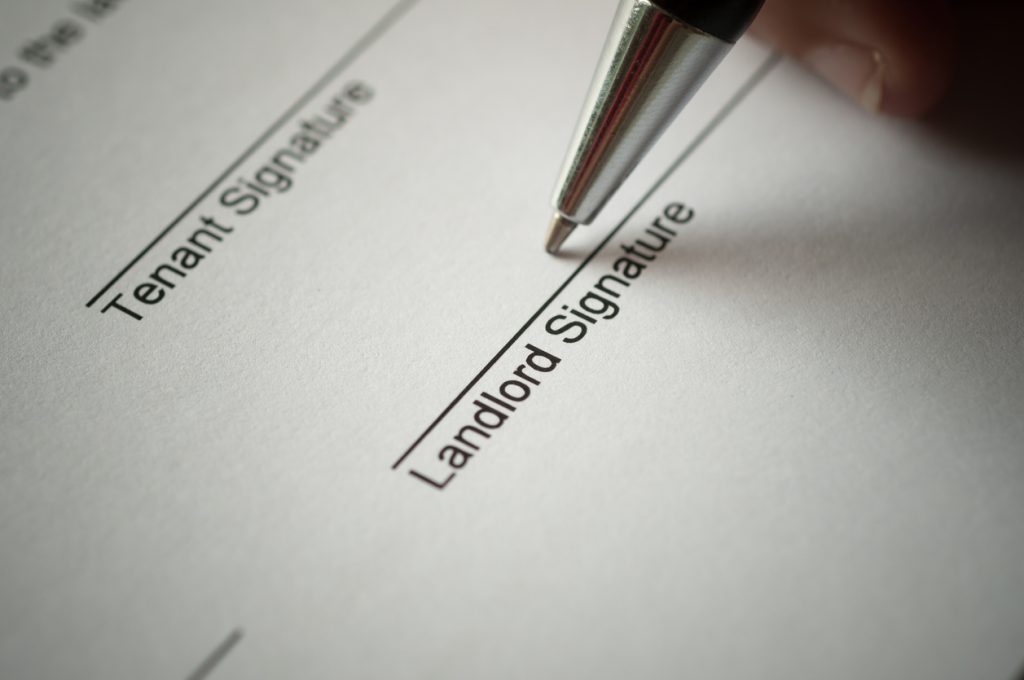
When it comes to the renting process, property managers and landlords’ involvement is quite distinct on who can do what. A landlord is responsible for providing the necessary information and paperwork for potential tenants to sign for leasing as well as payment agreements. Landlords will be managing the security deposits from tenants and other fees or payments regarding utilities. In short, landlords are heavily involved in the renting process.
As for property managers, their duties are relegated to maintaining all details of tenancy agreements and answering any questions tenants may have. Despite these responsibilities, property managers aren’t involved directly with the renting process.
Navigating the sphere of residential property management can be confusing and overwhelming. It’s why we like to provide handy insight like this to help others have more informed decisions when it comes to property management. If you would like further consultation about property management, you can email us at Team@platinumpmgroup.com or call us at (403) 775-0059. Leave all the details of property management on us – we got you!